KACHUMBER
KACHUMBER
Scaling a memewear brand
2024
"Scaling a memewear brand to ₹14L+ on pocket-change budgets and 20x ROAS."
"Scaling a memewear brand to ₹14L+ on pocket-change budgets and 20x ROAS."
"Scaling a memewear brand to ₹14L+ on pocket-change budgets and 20x ROAS."
Brand Overview
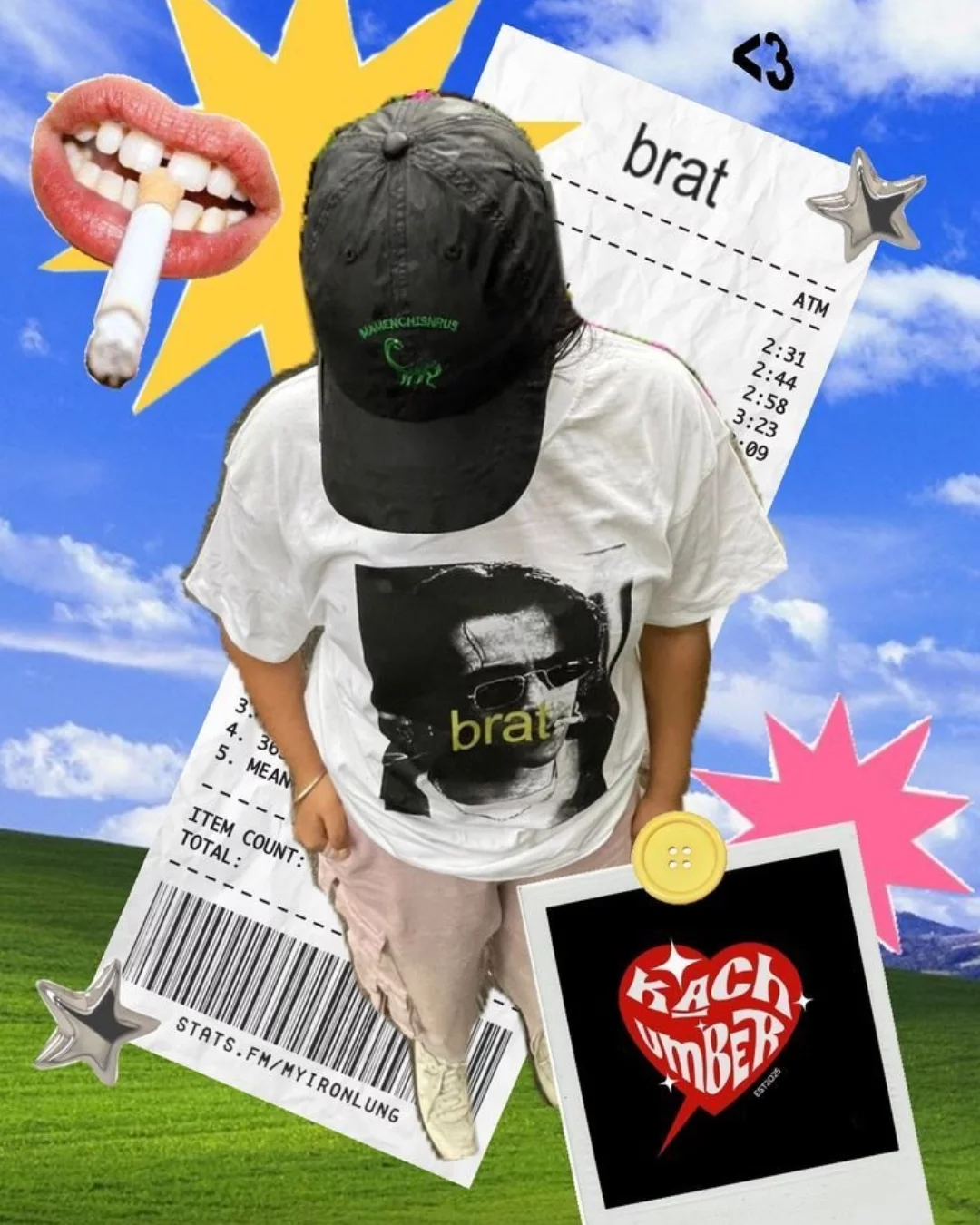
Kachumber is a meme-first, chaos-coded fashion brand that doesn’t pretend to be premium — and that’s exactly what makes it powerful. With zero studio production, no influencer budgets, and product ideas that sound like inside jokes from Reddit, the founder came to us with one goal:
“I’ve got ₹600 to ₹1,000 a day. Can you make this work?”
So we did.
Challenges
1. Minimal Daily Spend (₹600–₹1,000)
We couldn’t afford creative mistakes, failed test cycles, or underperforming experiments. Every ad had to be a sniper shot.
2. No Strategy Behind Existing Ads
Random campaign launches with no funnel segmentation, no retargeting, and no control over ad delivery.
3. Creatives Were Funny But Didn’t Convert
The humor was top-tier, but the ads lacked hooks, structure, and proper scroll psychology. They entertained, not sold.
4. No retargeting or nurture loop
Every customer had to be acquired from scratch. There were no nurtured audiences, no lookalikes, no email lists — nothing.
5. ROAS Had No Consistency
Some ads would pop. Others would die. But there was no system to extract consistent returns, especially not on small budgets.
Brand Overview
Kachumber is a meme-first, chaos-coded fashion brand that doesn’t pretend to be premium — and that’s exactly what makes it powerful. With zero studio production, no influencer budgets, and product ideas that sound like inside jokes from Reddit, the founder came to us with one goal:
“I’ve got ₹600 to ₹1,000 a day. Can you make this work?”
So we did.
Challenges
1. Minimal Daily Spend (₹600–₹1,000)
We couldn’t afford creative mistakes, failed test cycles, or underperforming experiments. Every ad had to be a sniper shot.
2. No Strategy Behind Existing Ads
Random campaign launches with no funnel segmentation, no retargeting, and no control over ad delivery.
3. Creatives Were Funny But Didn’t Convert
The humor was top-tier, but the ads lacked hooks, structure, and proper scroll psychology. They entertained, not sold.
4. No retargeting or nurture loop
Every customer had to be acquired from scratch. There were no nurtured audiences, no lookalikes, no email lists — nothing.
5. ROAS Had No Consistency
Some ads would pop. Others would die. But there was no system to extract consistent returns, especially not on small budgets.
Brand Overview
Kachumber is a meme-first, chaos-coded fashion brand that doesn’t pretend to be premium — and that’s exactly what makes it powerful. With zero studio production, no influencer budgets, and product ideas that sound like inside jokes from Reddit, the founder came to us with one goal:
“I’ve got ₹600 to ₹1,000 a day. Can you make this work?”
So we did.
Challenges
1. Minimal Daily Spend (₹600–₹1,000)
We couldn’t afford creative mistakes, failed test cycles, or underperforming experiments. Every ad had to be a sniper shot.
2. No Strategy Behind Existing Ads
Random campaign launches with no funnel segmentation, no retargeting, and no control over ad delivery.
3. Creatives Were Funny But Didn’t Convert
The humor was top-tier, but the ads lacked hooks, structure, and proper scroll psychology. They entertained, not sold.
4. No retargeting or nurture loop
Every customer had to be acquired from scratch. There were no nurtured audiences, no lookalikes, no email lists — nothing.
5. ROAS Had No Consistency
Some ads would pop. Others would die. But there was no system to extract consistent returns, especially not on small budgets.
Strategy That Actually Worked
1. Laser-Focused Campaign Architecture
We set up a controlled 3-layer structure built for low-budget efficiency:
Cold ads with meme-led entry points and product punchlines
Retargeting ads for cart/view audiences with high-FOMO creatives
Manual bidding + spend caps to stretch every rupee
No fluff. Every campaign had a clear job.
2. Creatives That Looked Native, But Sold Hard
We took the founder’s meme energy and built structure around it:
Fast-paced reels with memes as the hook, product as the payoff
Static meme posts with CTA overlays ("Buy it before it sells out again.")
Comment-bait creatives designed to farm UGC for free
Each layer had a job. And each ad had a role to play.
3. Tight Feedback Loop for Winners
Weekly testing of 3–4 new creatives
Kept only what performed — killed the rest fast
Scaled winning combos with small bump-ups (₹100–₹200/day) without breaking ROAS
4. Retargeting With Urgency
We didn’t let interest go cold. If someone even sneezed on the product page, they got:
Cart abandon ads within 24 hours
Humorous UGC with “You still thinking?” captions
Inventory-based FOMO: “Only 8 left in M. We’re not restocking.”
Results
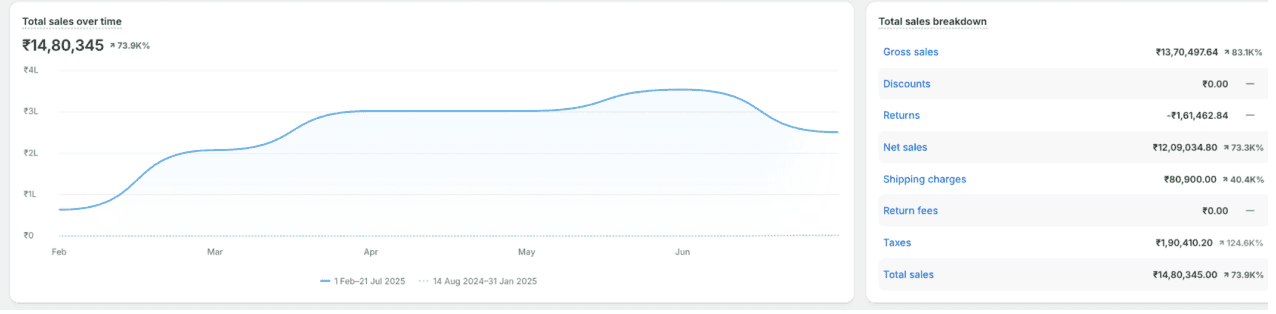
1. ₹14L+ in total sales over 5 months
All on a budget where most brands can’t even get a proper photoshoot done.
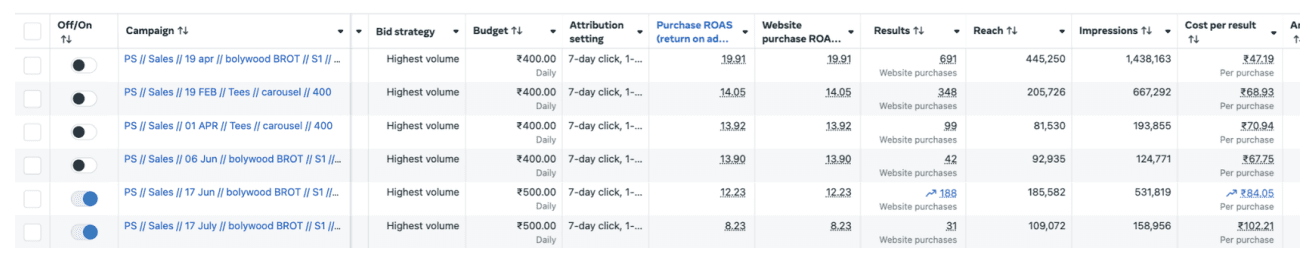
2. ROAS consistently between 14x–20x
Yes — not one lucky creative. Multiple ad sets and product drops hit 18x–22x over time. And we held that ROAS steady month after month.
3. Cost-per-purchase stayed between ₹47–₹102
That’s two-digit CPP for a clothing brand. On paid traffic. For five straight months.
4. Profit-First Scaling
No random budget hikes. Just pure control over spend, with every rupee tracked for return. No waste. No guesswork.
5. Created Warm Audience Base for Long-Term Drops
From zero retargeting to full-funnel strategy with loyal buyers who now come back for every collection.
Summary
Most brands spend ₹50K to test creatives.
We scaled Kachumber to ₹14L+ on less than ₹1K/day.
How?
High-leverage creatives
Funnel structure built for chaos
ROAS-first decision making
Constant optimization
Not a fluke. Not a one-hit wonder. Just clean execution.
Strategy That Actually Worked
1. Laser-Focused Campaign Architecture
We set up a controlled 3-layer structure built for low-budget efficiency:
Cold ads with meme-led entry points and product punchlines
Retargeting ads for cart/view audiences with high-FOMO creatives
Manual bidding + spend caps to stretch every rupee
No fluff. Every campaign had a clear job.
2. Creatives That Looked Native, But Sold Hard
We took the founder’s meme energy and built structure around it:
Fast-paced reels with memes as the hook, product as the payoff
Static meme posts with CTA overlays ("Buy it before it sells out again.")
Comment-bait creatives designed to farm UGC for free
Each layer had a job. And each ad had a role to play.
3. Tight Feedback Loop for Winners
Weekly testing of 3–4 new creatives
Kept only what performed — killed the rest fast
Scaled winning combos with small bump-ups (₹100–₹200/day) without breaking ROAS
4. Retargeting With Urgency
We didn’t let interest go cold. If someone even sneezed on the product page, they got:
Cart abandon ads within 24 hours
Humorous UGC with “You still thinking?” captions
Inventory-based FOMO: “Only 8 left in M. We’re not restocking.”
Results
1. ₹14L+ in total sales over 5 months
All on a budget where most brands can’t even get a proper photoshoot done.
2. ROAS consistently between 14x–20x
Yes — not one lucky creative. Multiple ad sets and product drops hit 18x–22x over time. And we held that ROAS steady month after month.
3. Cost-per-purchase stayed between ₹47–₹102
That’s two-digit CPP for a clothing brand. On paid traffic. For five straight months.
4. Profit-First Scaling
No random budget hikes. Just pure control over spend, with every rupee tracked for return. No waste. No guesswork.
5. Created Warm Audience Base for Long-Term Drops
From zero retargeting to full-funnel strategy with loyal buyers who now come back for every collection.
Summary
Most brands spend ₹50K to test creatives.
We scaled Kachumber to ₹14L+ on less than ₹1K/day.
How?
High-leverage creatives
Funnel structure built for chaos
ROAS-first decision making
Constant optimization
Not a fluke. Not a one-hit wonder. Just clean execution.
Strategy That Actually Worked
1. Laser-Focused Campaign Architecture
We set up a controlled 3-layer structure built for low-budget efficiency:
Cold ads with meme-led entry points and product punchlines
Retargeting ads for cart/view audiences with high-FOMO creatives
Manual bidding + spend caps to stretch every rupee
No fluff. Every campaign had a clear job.
2. Creatives That Looked Native, But Sold Hard
We took the founder’s meme energy and built structure around it:
Fast-paced reels with memes as the hook, product as the payoff
Static meme posts with CTA overlays ("Buy it before it sells out again.")
Comment-bait creatives designed to farm UGC for free
Each layer had a job. And each ad had a role to play.
3. Tight Feedback Loop for Winners
Weekly testing of 3–4 new creatives
Kept only what performed — killed the rest fast
Scaled winning combos with small bump-ups (₹100–₹200/day) without breaking ROAS
4. Retargeting With Urgency
We didn’t let interest go cold. If someone even sneezed on the product page, they got:
Cart abandon ads within 24 hours
Humorous UGC with “You still thinking?” captions
Inventory-based FOMO: “Only 8 left in M. We’re not restocking.”
Results
1. ₹14L+ in total sales over 5 months
All on a budget where most brands can’t even get a proper photoshoot done.
2. ROAS consistently between 14x–20x
Yes — not one lucky creative. Multiple ad sets and product drops hit 18x–22x over time. And we held that ROAS steady month after month.
3. Cost-per-purchase stayed between ₹47–₹102
That’s two-digit CPP for a clothing brand. On paid traffic. For five straight months.
4. Profit-First Scaling
No random budget hikes. Just pure control over spend, with every rupee tracked for return. No waste. No guesswork.
5. Created Warm Audience Base for Long-Term Drops
From zero retargeting to full-funnel strategy with loyal buyers who now come back for every collection.
Summary
Most brands spend ₹50K to test creatives.
We scaled Kachumber to ₹14L+ on less than ₹1K/day.
How?
High-leverage creatives
Funnel structure built for chaos
ROAS-first decision making
Constant optimization
Not a fluke. Not a one-hit wonder. Just clean execution.
800K
800K
INTERACTIONS
INTERACTIONS
90,3K
90,3K
new followers
new followers
ANDRÉ LACERDA
DESIGN
ANDRÉ LACERDA
DESIGN
ANDRÉ LACERDA
DESIGN
ANDRÉ LACERDA
DESIGN
Hanri Lamarca
PHOTOGRAPHy
Hanri Lamarca
PHOTOGRAPHy
Hanri Lamarca
PHOTOGRAPHy
Hanri Lamarca
PHOTOGRAPHy
ERIKKA KLAUS
director
ERIKKA KLAUS
director
ERIKKA KLAUS
director
ERIKKA KLAUS
director
Christian Zanini
Post-production
Christian Zanini
Post-production
Christian Zanini
Post-production
Christian Zanini
Post-production
Panorama FILMES CRAFTED BY ANDRÉ LACERDA FRAMER TEMPLATE